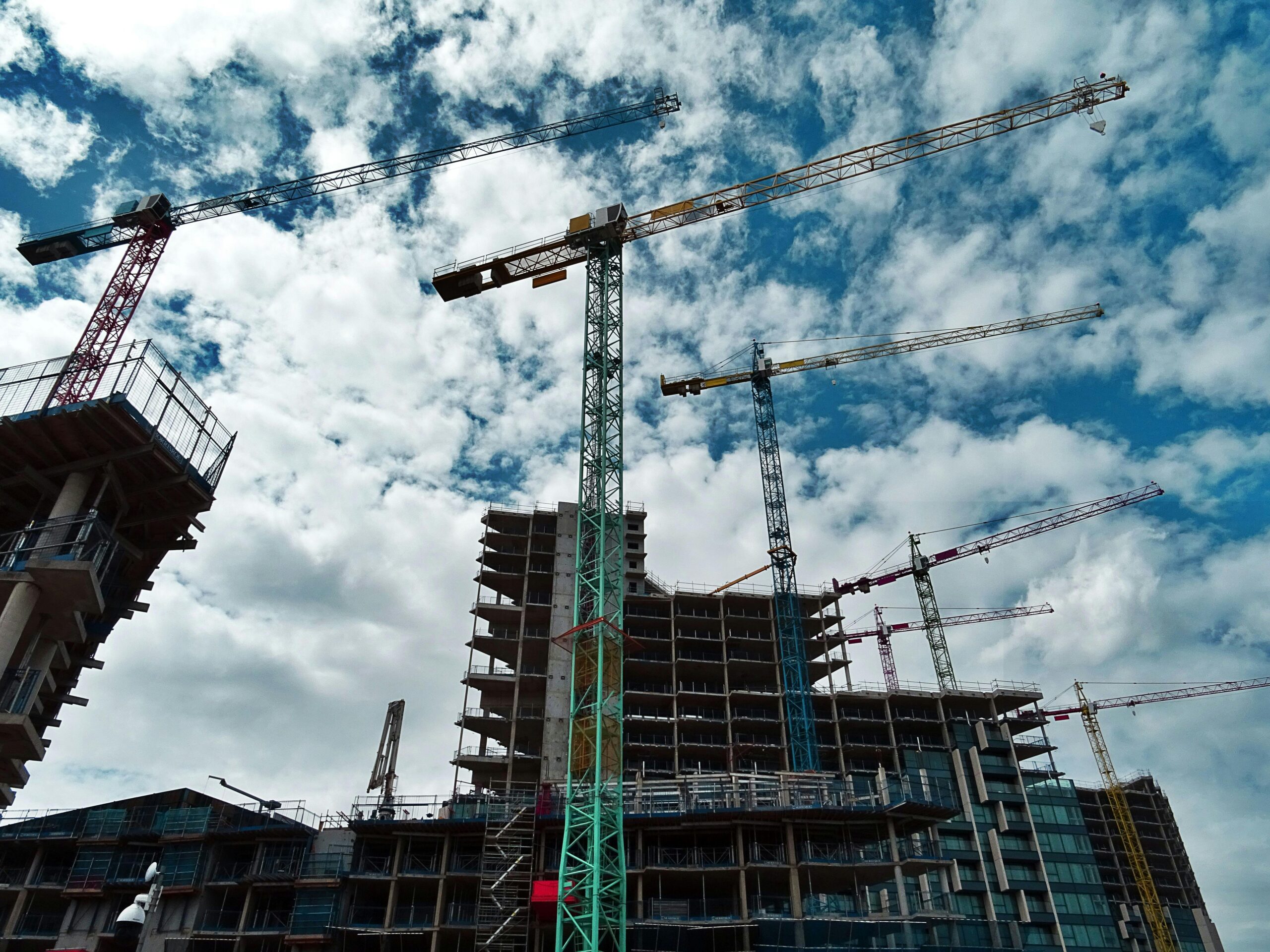
The construction industry in Colorado has long been a cornerstone of the state’s economic vitality, shaping its skylines, infrastructure, and communities. As of November 2024, the sector employed approximately 187,500 individuals, underscoring its significant role in the state’s labor market. However, recent trends indicate a complex landscape, marked by both growth opportunities and emerging challenges.
Current State of the Construction Industry in Colorado
In recent years, Colorado’s construction sector has experienced notable fluctuations. Between April 2023 and April 2024, the state saw a reduction of 4,300 construction jobs, ranking it third in the nation for construction employment declines during that period. The Denver metropolitan area was particularly affected, recording a decrease of 5,700 construction jobs—the most significant drop among 358 U.S. metro areas.
Several factors contribute to this downturn. The state’s previously rapid growth has decelerated, leading to reduced demand for new construction projects. Additionally, the completion of numerous apartment developments has led to a natural tapering off in residential construction activities.
Economic Contributions and Projections
Despite these challenges, the construction industry remains a vital component of Colorado’s economy. In 2020, the sector contributed $23.5 billion to the state’s Gross Domestic Product (GDP), accounting for 6.2% of Colorado’s total economic output. This marked an increase from 3.6% in 2011, highlighting the industry’s growth over the past decade.
Looking ahead, projections from the Colorado Department of Labor and Employment suggest a positive trajectory. The construction sector is expected to grow by 26% between 2020 and 2030, averaging an annual increase of 2.3%. Specialty trade contractors are anticipated to see a 28% rise in employment, while building construction and heavy and civil engineering construction are projected to grow by 23% and 22%, respectively.
Workforce Development Initiatives
To support this anticipated growth and address current workforce challenges, several organizations are spearheading initiatives aimed at developing a skilled labor force. The Construction Education Foundation (CEF) of Colorado, for instance, is dedicated to recruiting and training individuals for rewarding careers in construction. Their programs focus on high school skilled trades training, U.S. Department of Labor Registered Apprenticeships, and building sustainability practices.
Challenges and Considerations
Despite these proactive efforts, the industry faces ongoing challenges. The recent decline in construction employment, particularly in the Denver area, raises concerns about labor shortages and the need for continuous workforce development. Additionally, the industry’s growth has led to increased costs of living and congestion in urban areas, necessitating strategic planning to ensure sustainable development.
Conclusion
The construction industry in Colorado stands at a pivotal juncture. While recent employment declines present challenges, the sector’s substantial economic contributions and positive growth projections offer a promising outlook. Through targeted workforce development initiatives and strategic planning, Colorado is well-positioned to navigate these challenges and continue building a robust and dynamic construction industry.